

Double Eagle gold coins have been making headlines for more than 160 years, and the story is still being written. When the steamship SS Central America sank in a hurricane off the Carolina coast on September 12, 1857, she took thousands of pounds of California Gold Rush gold to the bottom, including ingots and freshly minted $20 Double Eagles. This month, with gold trading near $4,100 an ounce after climbing above $5,000 earlier this year, that famous wreck is a handy reminder of what a few old gold coins in a family drawer can be worth.
At Paul Albanian and Associates LLC, a Burbank precious metals and coin dealer serving the San Fernando Valley for more than 30 years, we often meet families who have just found a few of these $20 gold pieces in a safe-deposit box or a parent’s dresser. Here is the story of the “Ship of Gold,” and what it means for you.
Why the Double Eagle Exists
The Double Eagle was a child of the Gold Rush. After gold was discovered at Sutter’s Mill in 1848, so much California gold poured into the economy that Congress authorized a $20 gold coin in 1849, and the first pieces were struck in 1850. The San Francisco Mint opened in 1854 to turn local gold into coin, which is why many Gold Rush Double Eagles carry an “S” mint mark. For a traveler hauling savings across the country, a single coin carried nearly an ounce of gold in a form every bank would accept.
The Ship of Gold and Its Gold Rush Coins
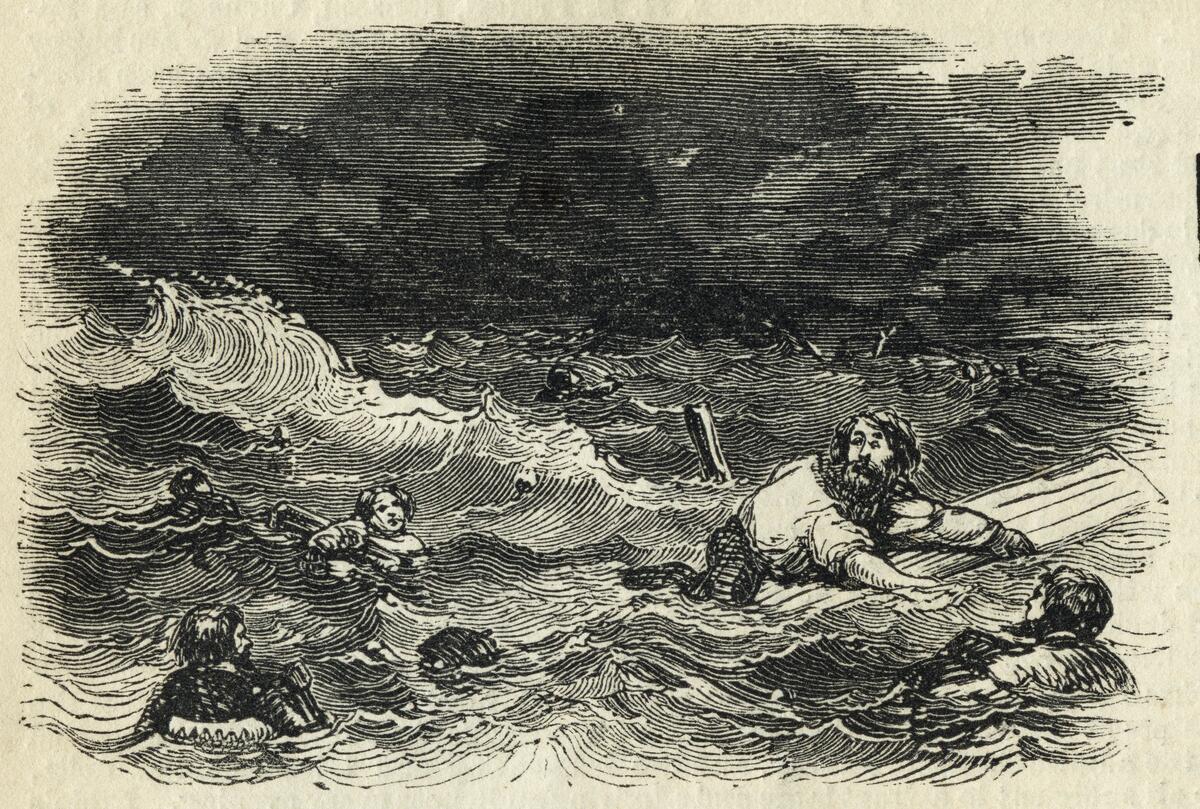
The SS Central America was a side-wheel steamer carrying miners, merchants, and their savings home from California by way of Panama. Of the 578 people aboard, 425 died, and the lost cargo of coins, ingots, and gold dust shook the banks waiting for it. According to CBS News and the Associated Press, the loss of the gold cargo was a major factor in the Panic of 1857, one of the worst financial crises of that era.
The wreck lay 7,200 feet down until it was found in 1988. Recovery missions in the late 1980s and early 1990s, and again in 2014, brought up gold bars, nuggets, dust, and thousands of coins. One of the most striking finds from the 2014 dive was a waist garment still holding 134 Double Eagle coins, a reminder that these $20 pieces were ordinary people’s savings, carried close to the body.
Why Shipwreck Gold Still Makes News
Treasure from the wreck keeps finding buyers. In 2001, an 80-pound ingot sold to a private collector for a record $8 million. In January 2022, an 866-ounce ingot brought $2.16 million at auction, and later that year nearly 1,000 artifacts, including a mysterious daguerreotype portrait nicknamed the “Mona Lisa of the Deep,” went on public display in Reno before being offered at auction.
The story has a darker side too. Tommy Thompson, the scientist who found the wreck, was released from federal prison earlier this year after roughly a decade behind bars in a dispute over 500 coins minted from the ship’s gold. Those coins have never been accounted for. The saga is a vivid lesson in why provenance, honest records, and a trustworthy dealer matter whenever valuable coins change hands.
If you would like to see some of the recovered treasure, this short video shows gold coins and bars from the wreck:
What Are $20 Double Eagle Gold Coins Worth?
The U.S. Mint made two main types of $20 gold piece: the Liberty Head design (1850–1907) and the Saint-Gaudens design (1907–1933). Either way, each coin contains about 0.97 troy ounces of pure gold. At roughly $4,100 an ounce, that is close to $4,000 in gold value alone, before any collector premium. Prices change daily, so always ask for a current quote.
Collector value can be far higher. Date, mint mark, and condition drive the price, and scarce dates from mints such as San Francisco and Carson City can be worth many times their gold content. Coins graded by PCGS or NGC, and coins with a documented shipwreck pedigree, often command a premium. Common circulated Double Eagles, on the other hand, usually trade closer to their gold content, so it pays to have someone knowledgeable tell you which category your coins fall into.
Gold’s recent ride also shows why timing is hard. After climbing above $5,000 an ounce earlier this year, the metal has pulled back to roughly $4,100, yet that is still far above where it traded just a few years ago. Nobody can reliably call a top or a bottom, so we encourage sellers to focus on what they can control: knowing what they own, understanding its value, and choosing a buyer they trust.
Before You Sell Old Gold Coins
A few simple habits protect the value of old gold coins. Never polish or clean them, because cleaning can erase a coin’s collector premium. Handle them by the edges, and leave any certified holders sealed. Write down the dates and mint marks you can see, and keep any paperwork, receipts, or appraisals that came with them. Finally, ask every buyer to explain how the offer was calculated. A reputable dealer will welcome that question.
Selling Gold Coins in Burbank
If you are settling an estate or sorting through a parent’s belongings, gather every piece of precious metal before the sale: gold coins, fine jewelry, silver flatware, and platinum pieces. Paul Albanian and Associates LLC buys gold, silver, platinum, coins, and jewelry, and many Burbank and Los Angeles-area families choose us as a more knowledgeable alternative to a generic pawn shop. If you have searched for a coin dealer, a gold dealer, or a precious metal dealer near you, stop by with your items and ask questions. Owner Paul Albanian and our team have spent over three decades helping San Fernando Valley residents sell with confidence.
The Ship of Gold reminds us that Double Eagle gold coins have always been treasured, whether they were tucked into a traveler’s belt in 1857 or a family’s dresser drawer today. Whatever you have inherited or collected, we are happy to look at it and explain what it is worth.