1857 engraving of survivors of the SS Central America, the Ship of Gold, clinging to wreckage after the steamer sank in a hurricane

Double Eagle Gold Coins: What the Ship of Gold Teaches Burbank Families About Old $20 Gold Pieces

Double Eagle gold coins have been making headlines for more than 160 years, and the story is still being written. When the steamship SS Central America sank in a hurricane off the Carolina coast on September 12, 1857, she took thousands of pounds of California Gold Rush gold to the bottom, including ingots and freshly minted $20 Double Eagles. This month, with gold trading near $4,100 an ounce after climbing above $5,000 earlier this year, that famous wreck is a handy reminder of what a few old gold coins in a family drawer can be worth.

At Paul Albanian and Associates LLC, a Burbank precious metals and coin dealer serving the San Fernando Valley for more than 30 years, we often meet families who have just found a few of these $20 gold pieces in a safe-deposit box or a parent’s dresser. Here is the story of the “Ship of Gold,” and what it means for you.
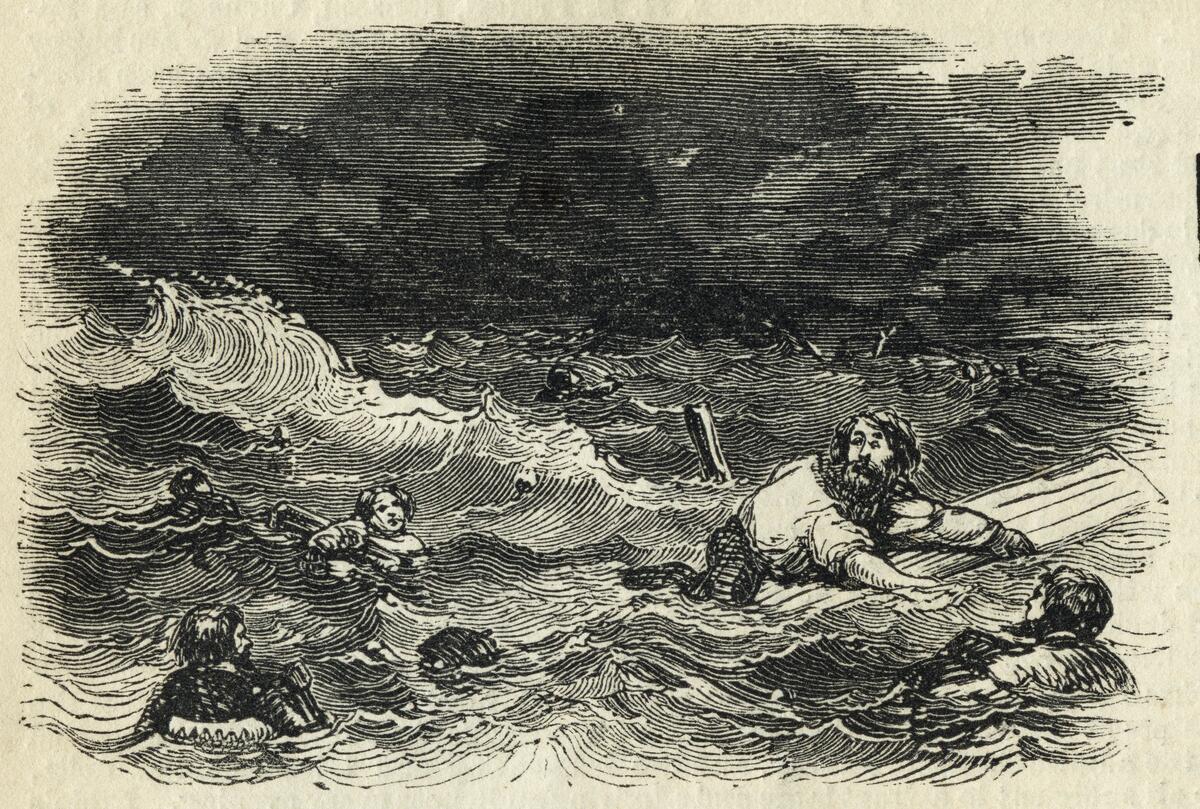
1857 engraving of survivors of the SS Central America, the Ship of Gold, clinging to wreckage after the steamer sank in a hurricane

Why the Double Eagle Exists

The Double Eagle was a child of the Gold Rush. After gold was discovered at Sutter’s Mill in 1848, so much California gold poured into the economy that Congress authorized a $20 gold coin in 1849, and the first pieces were struck in 1850. The San Francisco Mint opened in 1854 to turn local gold into coin, which is why many Gold Rush Double Eagles carry an “S” mint mark. For a traveler hauling savings across the country, a single coin carried nearly an ounce of gold in a form every bank would accept.

The Ship of Gold and Its Gold Rush Coins

The SS Central America was a side-wheel steamer carrying miners, merchants, and their savings home from California by way of Panama. Of the 578 people aboard, 425 died, and the lost cargo of coins, ingots, and gold dust shook the banks waiting for it. According to CBS News and the Associated Press, the loss of the gold cargo was a major factor in the Panic of 1857, one of the worst financial crises of that era.

The wreck lay 7,200 feet down until it was found in 1988. Recovery missions in the late 1980s and early 1990s, and again in 2014, brought up gold bars, nuggets, dust, and thousands of coins. One of the most striking finds from the 2014 dive was a waist garment still holding 134 Double Eagle coins, a reminder that these $20 pieces were ordinary people’s savings, carried close to the body.

Why Shipwreck Gold Still Makes News

Treasure from the wreck keeps finding buyers. In 2001, an 80-pound ingot sold to a private collector for a record $8 million. In January 2022, an 866-ounce ingot brought $2.16 million at auction, and later that year nearly 1,000 artifacts, including a mysterious daguerreotype portrait nicknamed the “Mona Lisa of the Deep,” went on public display in Reno before being offered at auction.

The story has a darker side too. Tommy Thompson, the scientist who found the wreck, was released from federal prison earlier this year after roughly a decade behind bars in a dispute over 500 coins minted from the ship’s gold. Those coins have never been accounted for. The saga is a vivid lesson in why provenance, honest records, and a trustworthy dealer matter whenever valuable coins change hands.

If you would like to see some of the recovered treasure, this short video shows gold coins and bars from the wreck:


What Are $20 Double Eagle Gold Coins Worth?

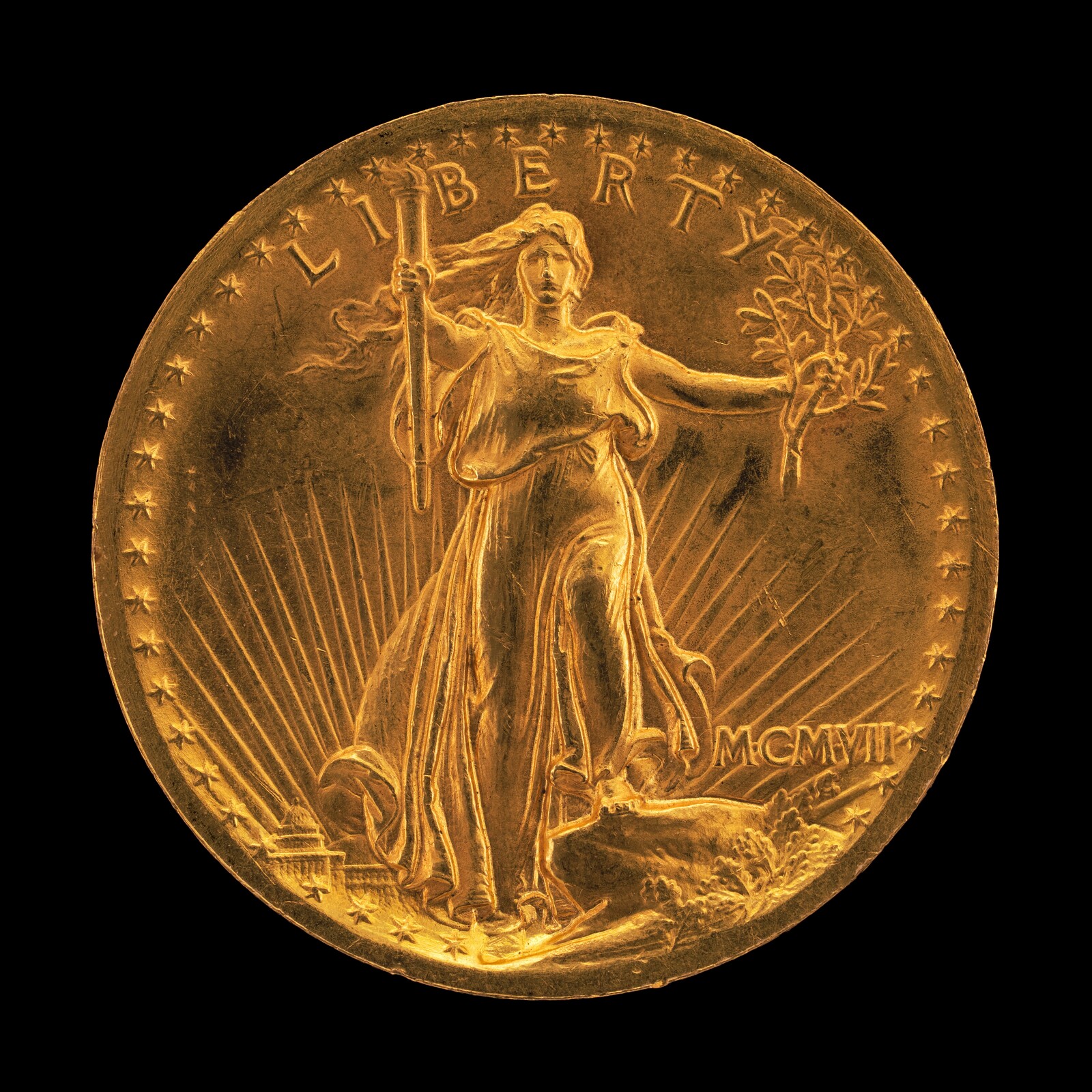
The U.S. Mint made two main types of $20 gold piece: the Liberty Head design (1850–1907) and the Saint-Gaudens design (1907–1933). Either way, each coin contains about 0.97 troy ounces of pure gold. At roughly $4,100 an ounce, that is close to $4,000 in gold value alone, before any collector premium. Prices change daily, so always ask for a current quote.

Collector value can be far higher. Date, mint mark, and condition drive the price, and scarce dates from mints such as San Francisco and Carson City can be worth many times their gold content. Coins graded by PCGS or NGC, and coins with a documented shipwreck pedigree, often command a premium. Common circulated Double Eagles, on the other hand, usually trade closer to their gold content, so it pays to have someone knowledgeable tell you which category your coins fall into.

Gold’s recent ride also shows why timing is hard. After climbing above $5,000 an ounce earlier this year, the metal has pulled back to roughly $4,100, yet that is still far above where it traded just a few years ago. Nobody can reliably call a top or a bottom, so we encourage sellers to focus on what they can control: knowing what they own, understanding its value, and choosing a buyer they trust.

Before You Sell Old Gold Coins

A few simple habits protect the value of old gold coins. Never polish or clean them, because cleaning can erase a coin’s collector premium. Handle them by the edges, and leave any certified holders sealed. Write down the dates and mint marks you can see, and keep any paperwork, receipts, or appraisals that came with them. Finally, ask every buyer to explain how the offer was calculated. A reputable dealer will welcome that question.

Selling Gold Coins in Burbank

If you are settling an estate or sorting through a parent’s belongings, gather every piece of precious metal before the sale: gold coins, fine jewelry, silver flatware, and platinum pieces. Paul Albanian and Associates LLC buys gold, silver, platinum, coins, and jewelry, and many Burbank and Los Angeles-area families choose us as a more knowledgeable alternative to a generic pawn shop. If you have searched for a coin dealer, a gold dealer, or a precious metal dealer near you, stop by with your items and ask questions. Owner Paul Albanian and our team have spent over three decades helping San Fernando Valley residents sell with confidence.

The Ship of Gold reminds us that Double Eagle gold coins have always been treasured, whether they were tucked into a traveler’s belt in 1857 or a family’s dresser drawer today. Whatever you have inherited or collected, we are happy to look at it and explain what it is worth.
albariancoins.com

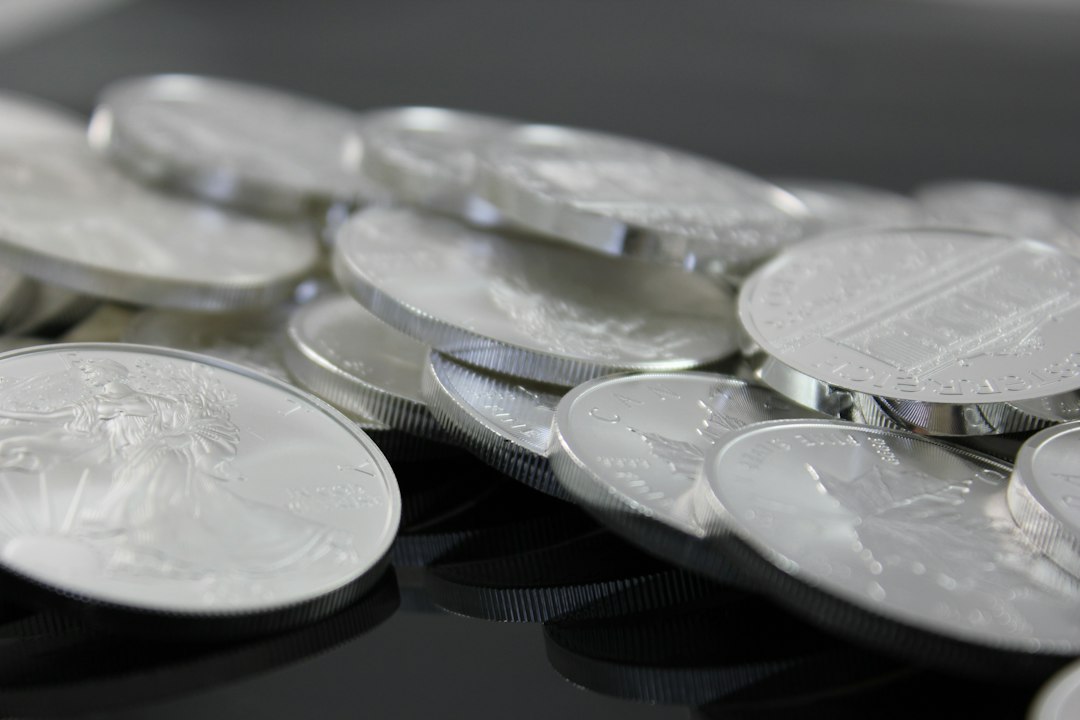
Pile of silver bullion coins from several mints, a reminder of how silver price history affects sellers in Burbank

Silver Price History: What 1980’s Silver Thursday Teaches Burbank Sellers

Silver price history is full of dramatic chapters, and 2026 has just added a new one. According to market reports, silver topped $120 an ounce in January, then slid to roughly $54 this week, more than 55 percent below its peak. Gold followed a similar arc, from a record near $5,400 in January to about $4,000 today. If you are staring at a drawer of sterling flatware, a jar of old silver coins, or a parent’s estate full of jewelry, those headlines can make it hard to know what to do.

The best way to make sense of days like these is to look back at the last time silver dominated the news. At Paul Albanian and Associates LLC, a Burbank precious metals and coin dealer serving the San Fernando Valley for more than 30 years, we have watched silver price swings tempt people into costly mistakes. Here is the story, and what it means for you.

Pile of silver bullion coins from several mints, a reminder of how silver price history affects sellers in Burbank

How the Hunt Brothers Sent Silver Soaring

Our story begins in the early 1970s, when Texas oil heirs Nelson Bunker Hunt and William Herbert Hunt began buying silver at less than $2 an ounce. Worried that inflation would turn paper money into scrap, the brothers kept buying, building a stack of physical silver and futures contracts that most estimates put well over 100 million ounces. As they bought, the silver price climbed from around $6 an ounce in 1979 to nearly $50 in January 1980. Britannica’s account of Silver Thursday puts the peak at $49.45 an ounce on January 17, 1980.

The effects reached far beyond Wall Street. Shortages rippled through businesses that depended on silver, and even Tiffany & Co. ran a newspaper ad criticizing the buying spree. Meanwhile, ordinary families discovered that the sterling forks in the dining room and the old coins in a cigar box were suddenly worth real money.

Silver Thursday: The Day the Bubble Burst

Exchanges eventually pushed back. In January 1980, COMEX imposed position limits on silver futures, and the metal began to slide. By late March, the Hunts could no longer meet their margin calls. On Thursday, March 27, 1980, silver closed at $10.80 an ounce, down from about $21 the day before. The brothers lost an estimated $1.7 billion, several brokerage firms were rocked, and the Hunts were later fined and barred from commodities trading.

Echoes of 1980 in 2026

The comparison is not perfect. Nobody has accused a pair of billionaire brothers of cornering the market this year, and analysts have pointed instead to rising oil prices and shifting interest-rate expectations. But the pattern, a spectacular climb followed by a sharp retreat, will look familiar to anyone who knows the history of silver prices. Silver’s slide this month also pushed the gold-to-silver ratio to about 75, its highest level since last November, which means an ounce of gold now buys far more silver than it did a year ago.

What Silver Price History Teaches Burbank Families

The lesson is not that silver is a bad idea. It is that prices can move faster than any family can react, and nobody, including the Hunts, can reliably call the top or the bottom. Silver then spent decades far below its 1980 peak and did not come close to it again until 2011. Someone who sold sterling flatware near the 1980 high did very well. Someone who sold the same pieces a few weeks later did not.

That is why we encourage sellers to focus on what they can control: knowing exactly what they own, understanding what it is worth, and choosing a buyer they trust. If you would like the whole saga in video form, this short explainer retells the Hunt brothers’ story:


What Is Your Silver Worth in a Volatile Market?

Today’s silver price is only the starting point. Sterling silver is 92.5 percent silver, and U.S. dimes, quarters, and half dollars dated 1964 or earlier are 90 percent silver, so their value depends on weight and purity rather than face value. Key-date or high-grade collector coins can be worth more than their metal content. With silver near $54 an ounce this week, even modest pieces carry real melt value, but prices change daily, so always ask for a current quote. A knowledgeable dealer will weigh and test your items and tell you which category they fall into.

Before you sell, a few simple steps can help. Do not polish tarnished silver or clean old coins, because cleaning can reduce a coin’s collector value. Keep pieces together in the sets they came in, and look for hallmarks such as “Sterling” or “925” on flatware and jewelry. Make a rough list of what you have, including any boxes, paperwork, or appraisals that came with the items. Finally, ask every buyer you visit to explain how the price was calculated. A reputable dealer will welcome those questions, and the answers will tell you far more than any headline about the silver price today.

Selling Silver, Gold, Coins, and Jewelry in Burbank

If you are settling an estate or sorting through a parent’s belongings, gather everything made of precious metal before the sale: silver flatware, tea sets, coins, gold chains, fine jewelry, and platinum pieces. Paul Albanian and Associates LLC buys gold, silver, platinum, coins, and jewelry, and many Burbank families choose us as a more knowledgeable alternative to a generic pawn shop. If you have searched for a coin dealer in Burbank, a precious metal dealer near you, or a gold dealer who will explain how an offer was figured, stop by with your items and ask questions. Owner Paul Albanian and our team have spent over three decades helping San Fernando Valley residents sell with confidence.

Silver price history proves that markets rise and fall, but a fair, well-informed sale never goes out of style. Whether silver is climbing or falling, we are happy to look at what you have and explain what it is worth.

albariancoins.com

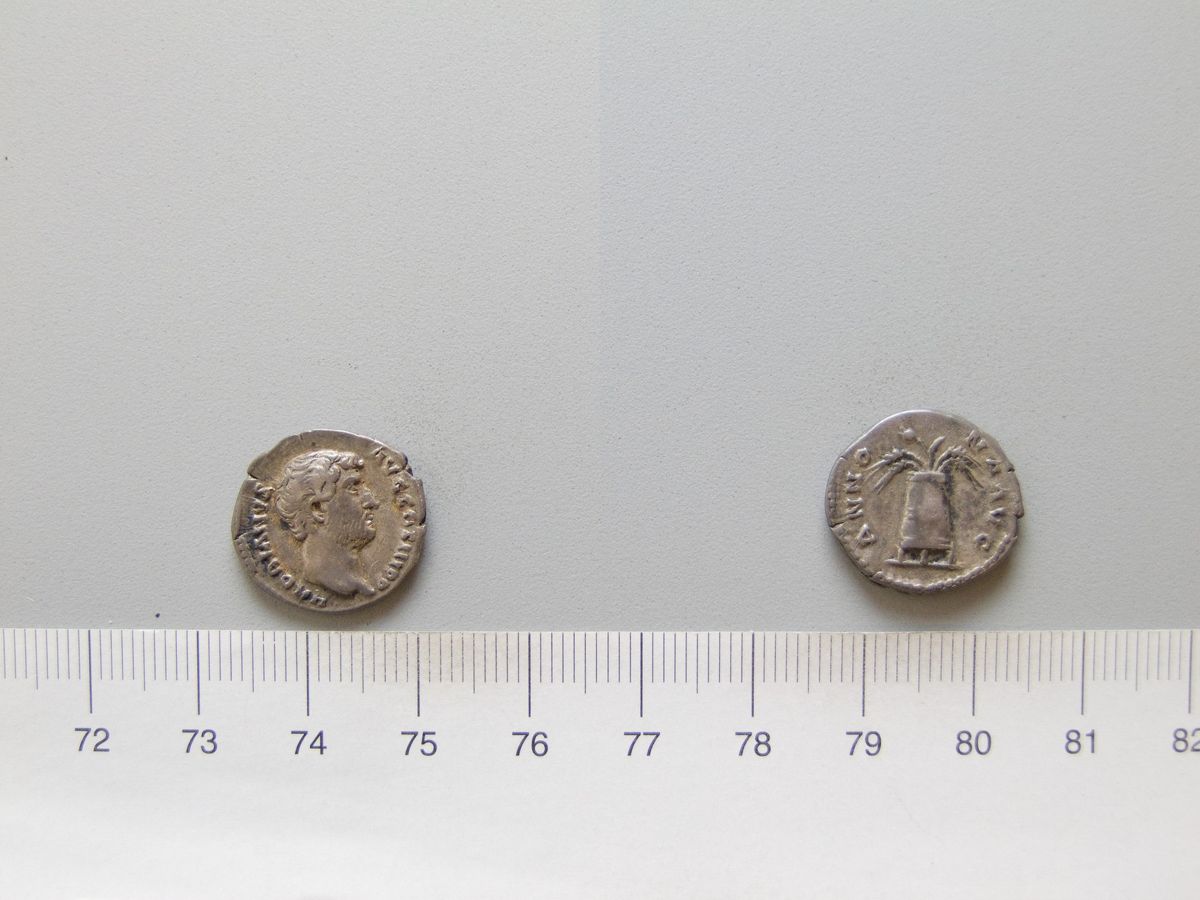
Silver Roman denarius of Emperor Hadrian, minted in Rome A.D. 134–138

Roman Silver Coins: What a 934-Coin German Hoard Teaches Burbank Families About Old Silver

Roman silver coins are back in the news. In western Germany, a licensed metal detectorist named Oliver Riedl uncovered 934 Roman silver denarii in a field near Wesseling, just south of Cologne. The hoard weighs about 6.8 pounds and is now on display at the LVR-LandesMuseum Bonn. For families in Burbank, the story carries a timeless lesson: silver has been trusted savings for nearly two thousand years, and old silver coins may be sitting in your own home right now.

Silver Roman denarius of Emperor Hadrian, minted in Rome A.D. 134–138
A silver denarius of Emperor Hadrian, struck in Rome around A.D. 134–138. Yale University Art Gallery, public domain.

What the Wesseling Hoard Tells Us About Roman Silver Coins

Archaeologists believe the coins were buried on purpose between A.D. 125 and 150, during or shortly after the reign of Emperor Hadrian. According to Fox News, officials call it the largest coin hoard from Hadrian’s era ever found in Germany. Riedl turned up 15 coins, noticed his detector kept signaling, and wisely called the authorities rather than digging alone. Experts then recovered all 934 coins.

Who owned this much silver? Nobody knows. Ancient history professor Johannes Wienand told Fox News it looks like the life savings of one person who buried the pot for later and never returned to dig it up. A Roman legionary earned roughly 300 denarii a year, so the hoard equals about three years of a soldier’s gross pay, and saving that much would have taken six, seven or even more years.

Why Romans Trusted Silver Coins

The denarius was Rome’s standard silver coin for centuries. First struck around 211 B.C., the early versions held roughly 4.5 grams of nearly pure silver, so a coin was worth about what its metal was worth. People understood that silver could be carried, hidden, traded or saved no matter who sat on the throne. Over time, emperors stretched the supply by cutting the silver content, and as the metal thinned, trust in the money thinned with it.

The same instinct explains why families still hold on to silver today. Coins, flatware and jewelry made of precious metal keep a value that does not depend on a bank or a government promise.

Old Silver Coins Burbank Families Might Own

You do not need to find a Roman hoard to own something worthwhile. Many local homes hold old silver coins without the owners realizing it. Here is what to look for:

  • U.S. dimes, quarters and half dollars dated 1964 or earlier, which are 90 percent silver
  • Morgan and Peace silver dollars
  • Foreign silver coins collected by relatives who traveled or emigrated
  • Ancient silver coins brought home as souvenirs or bought at auction
  • Sterling silver flatware, tea sets and trays
  • Silver bars and rounds, including American Silver Eagles

How Old Silver Coins Are Valued

Every silver coin has two layers of value. The first is metal value: the amount of silver in the coin multiplied by the day’s spot price. Silver has swung sharply this year, so the same coin can be worth noticeably more or less from one month to the next. The second layer is collector value, which depends on the date, mint, rarity and condition. A common coin may be worth little more than its metal, while a scarce one can bring many times that.

Ancient coins follow the same logic. The ruler, the design, how well the portrait survived and how common the type is all matter, and many ordinary Roman denarii sell for modest sums compared with rare ones. Whatever you own, never clean it. Polishing leaves tiny scratches and can erase the very details collectors pay for.

Watch: The Roman Silver Coins Found Near Cologne

This short news video shows the Wesseling discovery and the coins that Riedl’s metal detector led him to.


Sell Silver Coins in Burbank Instead of Visiting a Pawn Shop

If you decide to sell silver coins, choose a buyer who can tell scrap from a collectible. A generic pawn shop usually prices everything by weight and makes a low offer. Paul Albanian and Associates LLC has been buying precious metals, coins and fine jewelry in the San Fernando Valley, right here in Burbank, for more than 30 years. Whether you own Roman silver coins or a jar of old American dimes, your items are examined carefully, the value is explained plainly and the offer is fair, so you can make some extra money from things sitting in a drawer.

This matters most during an estate sale. If your family is clearing out a parent’s home, gather the coins, fine jewelry, silver and gold before the sale starts so they do not leave the house at garage-sale prices. A trusted gold dealer can turn an inherited collection into cash without the hassle of listing items online or meeting strangers.

Someone in Roman Germany buried a lifetime of savings and never came back for it. You can learn from that story by finding out what your own silver is worth. A coin dealer Burbank families trust and a precious metal dealer Burbank customers rely on can help you do exactly that. Bring in your silver, gold, platinum, coins or jewelry and learn what they are worth today.

albariancoins.com


Silver Spanish colonial eight reales coin dated 1796, a piece of eight, marked with Chinese chop marks

Spanish Silver Coins: What a $1 Million Shipwreck Find Means for Burbank Collectors

Spanish silver coins are back in the news. A Florida salvage crew recently reported pulling more than 1,000 silver coins and five gold coins from the wreck of a Spanish ship lost in 1715, and the haul was valued at about $1 million. It sounds like pirate lore, but it carries a practical lesson for anyone in Burbank who has inherited a coin collection or found old silver coins tucked away in a drawer.

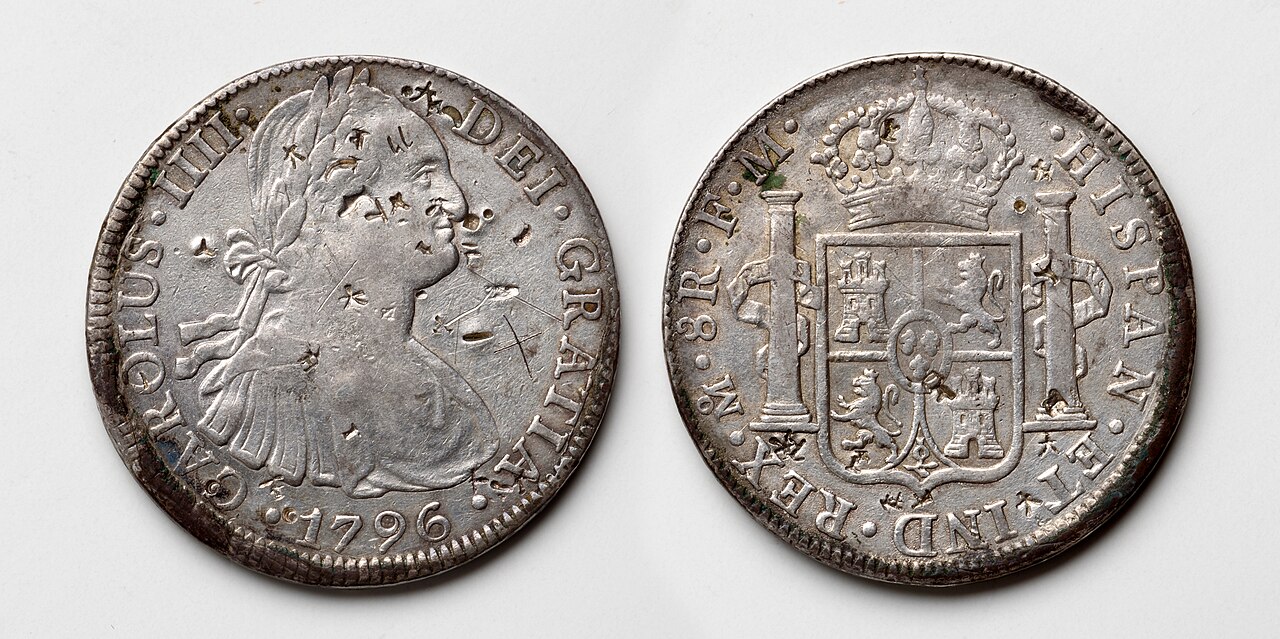
Silver Spanish colonial eight reales coin dated 1796, a piece of eight, marked with Chinese chop marks
A silver Spanish colonial eight reales dated 1796, one of the famous “pieces of eight.” Public domain (CC0), via Wikimedia Commons.

A $1 Million Treasure From the 1715 Fleet

In the summer of 1715, a fleet of eleven Spanish ships loaded with silver and gold left Havana bound for Spain. A few days into the voyage, on July 31, a hurricane drove them onto the reefs off Florida’s Atlantic coast. Historians estimate that as much as $400 million in gold, silver and jewels was lost, along with as many as 1,500 sailors, according to a Naval History magazine report. It remains one of the great treasure stories in American waters.

The latest recovery came during the 2025 summer salvage season. Divers brought up more than 1,000 silver reales, five gold escudos and other rare gold artifacts. The silver coins, known as pieces of eight, were struck in Spanish colonial mints in Mexico, Peru and Bolivia. At about $1 million in total, that averages roughly $1,000 per coin, although the gold pieces and artifacts lift that figure. The coins will be carefully conserved before they go on public display.

Why Pieces of Eight Ruled the World’s Money

A piece of eight was a silver coin worth eight reales, which is where the name comes from. Spanish colonial mints struck them in such huge numbers, and with such steady silver content, that they became one of the first truly global currencies. Merchants accepted them in Europe, the Americas and even China, where traders hammered small “chop marks” into coins to show they had been tested.

Colonial America relied on them, too. British settlers rarely had enough English coins, so they used the Spanish silver dollar for everyday purchases. Shopkeepers often cut a coin into wedges to make change, which is why a quarter is still called “two bits.” Spanish dollars stayed legal tender in the United States until 1857. For generations, ordinary families trusted these coins because they held real silver, and that is exactly why old Spanish silver coins are still worth something today.

What Are Spanish Silver Coins Worth Today?

Every coin’s value starts with its metal. A typical Spanish pillar dollar from the 1700s weighed about 27 grams and was roughly 92 percent silver, which comes to about 0.8 troy ounces of pure silver. In early October 2026, silver traded near $61 an ounce, gold near $4,150 and platinum near $1,710, based on Reuters market reports. At $61, the silver in one such coin is worth roughly $49 before any collector premium.

Collector value can run much higher. Date, mint, condition and history all matter, and a documented shipwreck pedigree can add a great deal. Hand-struck cobs, the irregular coins made quickly in colonial mints, are especially popular. Worn coins with common dates may bring little more than their silver value, while rare examples can sell for many times that. The only reliable way to know which you have is to have an experienced dealer examine them in person.

The same logic applies to other silver coins. U.S. dimes, quarters and half dollars dated 1964 or earlier contain 90 percent silver, so they are worth far more than face value even when they are worn.

Silver Coins Hiding in Burbank Homes

You do not need a boat or a metal detector to find silver. For many local families, it is already in a closet or a safe deposit box. Here is what to look for:

  • Spanish colonial pieces of eight and other foreign silver coins, often brought home by relatives who traveled or collected
  • U.S. dimes, quarters and half dollars dated 1964 or earlier
  • Morgan and Peace silver dollars
  • Silver bars and rounds tucked away in a drawer or safe
  • Coin albums, rolls and old collections left behind by a parent or grandparent

Keep coins in their original holders when you can, and do not clean them. Polishing can strip the surface that collectors pay extra for.

Watch: The Hurricane That Sank the 1715 Fleet

This short video tells the story of the July 1715 hurricane and the Spanish treasure fleet it destroyed.


Sell Silver Coins in Burbank Instead of Visiting a Pawn Shop

If you are ready to sell Spanish silver coins or any other old silver, choose a buyer who can tell scrap from a collectible. Generic pawn shops often treat every coin as melt value and make low offers. Paul Albanian and Associates LLC has been buying precious metals, coins and fine jewelry in the San Fernando Valley, right here in Burbank, for more than 30 years. Your items are examined carefully, the value is explained clearly and the offer is fair, so you can make some extra money from things you no longer use.

This matters most during an estate sale. If your family is clearing out a parent’s home, collect the coins, fine jewelry and precious metals before the sale begins, so they do not leave the house at garage-sale prices. Selling them to a trusted local gold dealer is a simple way to turn a loved one’s belongings into cash, without listing items online or meeting strangers.

The divers off Florida showed that centuries-old silver can still be valuable. A coin dealer Burbank families trust, and a precious metal dealer Burbank customers rely on, can help you find out what is sitting in your own home. Bring in your silver, gold, platinum, coins or jewelry and learn what they are worth.

albariancoins.com

Obverse of an 1899 Morgan silver dollar showing the left-facing profile of Lady Liberty

Morgan Silver Dollars: The Carson City Hoard and What Your Old Silver Dollars May Be Worth

Morgan silver dollars are among the most recognizable coins in American history, and plenty of them are still tucked away in Burbank closets, safe deposit boxes and inherited coin albums. If a parent or grandparent left you a stack of heavy old silver dollars, it pays to know what you are holding. With silver trading near $57 an ounce this week, even a worn Morgan dollar carries real metal value, and the right date and mint mark can be worth many times more.

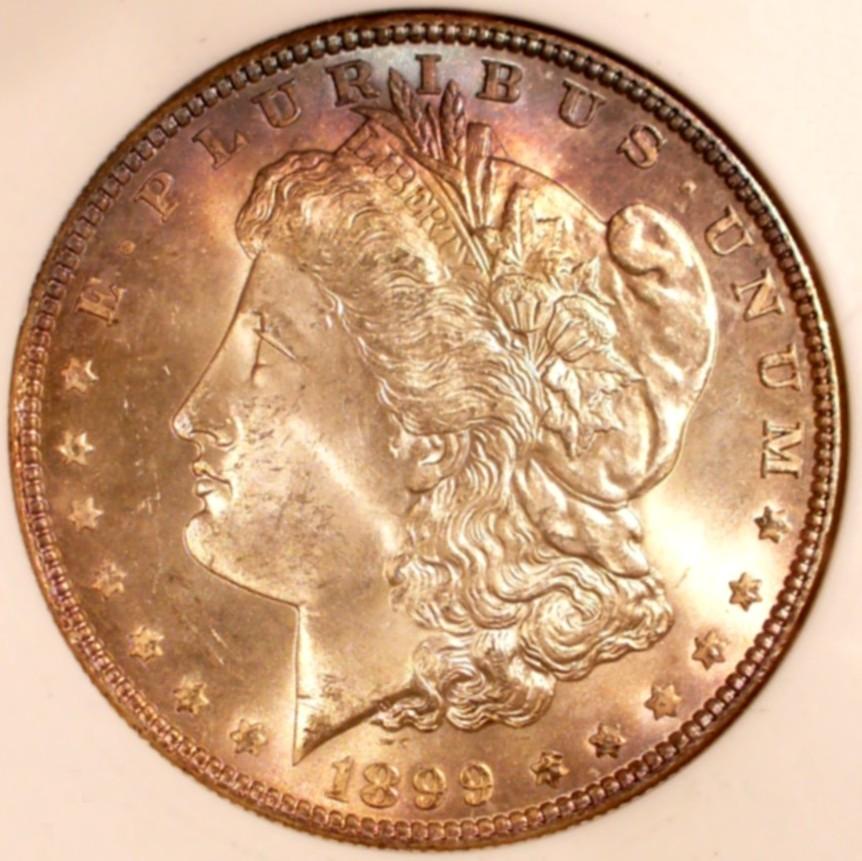
Obverse of an 1899 Morgan silver dollar showing the left-facing profile of Lady Liberty
The obverse of an 1899 Morgan silver dollar. Public domain, via Wikimedia Commons.

Why Morgan Silver Dollars Became an American Icon

The Morgan dollar was authorized by the Bland-Allison Act of 1878, which required the Treasury to buy silver for coinage as Western mines poured out metal. English-born engraver George T. Morgan designed both sides, with Lady Liberty in profile on the front and a spread-winged eagle on the back. The coins were struck from 1878 to 1904 and once more in 1921. Each one is 90 percent silver and holds about 0.77 troy ounces of pure silver.

Some of the most storied Morgan dollars carry a “CC” mint mark. Carson City, Nevada, opened a branch mint in 1870 to turn Comstock Lode silver into coin, and its Morgan dollars were struck between 1878 and 1893. Output was small compared with the mints in Philadelphia, San Francisco and New Orleans, so collectors long believed Carson City dollars were scarce. History thinned the supply, too: the Pittman Act of 1918 sent roughly 270 million silver dollars to the melting pot, which means every surviving Morgan is something of a survivor.

The Treasury Vault Surprise Behind Carson City Morgan Dollars

In the early 1960s, collectors paid little attention to old silver dollars. Then, in March 1964, the Treasury stopped swapping silver certificates for silver dollars after discovering bags of Carson City coins in its vaults. The cache turned out to be enormous: roughly 3 million silver dollars, the great majority of them from Carson City. The General Services Administration, or GSA, sold them to the public in a series of auctions and fixed-price sales from 1973 to 1980, typically in black plastic holders with a certificate of authenticity.

The release changed the hobby. Dates once considered rare suddenly became affordable in uncirculated condition, and the original GSA holders became collectible in their own right. According to the Greysheet price guide, many Carson City Morgans never saw circulation until that government release, which is why a coin’s history can matter almost as much as its date.

What Are Morgan Silver Dollars Worth Today?

Start with the metal. At roughly $57 per ounce, the 0.77 ounces of silver in one Morgan dollar is worth about $44, and that is the floor for even a heavily worn coin. For context, gold was trading near $4,120 an ounce and platinum near $1,645 as of October 20, 2026.

Three things set the price above that floor: the date and mint mark, the condition of the surface, and whether the coin is original and uncleaned. A common date from the New Orleans or San Francisco mint may be worth only a little over melt, while a scarce Carson City date can be worth hundreds or thousands. Only an experienced eye can tell the difference, which is why it helps to have your coins examined in person before you sell.

Carson City Morgan dollars in original GSA holders are commonly offered online for a few hundred dollars, and scarce dates in top condition go much higher. This year, gem-quality 1879-CC dollars carried auction estimates of $50,000 and more. Keep in mind that those are retail asking prices. A dealer who buys your coins must resell them at a profit, so a buying offer will come in below retail, but an honest buyer pays for date, mint mark and condition rather than weight alone.

One crucial tip: never clean your Morgan silver dollars. Polishing leaves tiny scratches and strips away the original surface that collectors pay extra for. Leave the coins as you found them, holder and all.

Where Old Silver Dollars Hide in Burbank Homes

Silver dollars are easy to overlook because they look like ordinary old coins. Here is what to check for:

  • Heavy silver dollars dated 1878 to 1904 or 1921, especially any with a small “CC” on the back just above the word DOLLAR
  • Black plastic GSA holders, boxes and certificates of authenticity
  • Peace dollars dated 1921 to 1935
  • Silver dimes, quarters and half dollars dated 1964 or earlier
  • Coin albums, rolls and bank bags left behind by a parent or grandparent

Watch: The History of GSA Carson City Morgan Dollars

This video explains where the GSA hoard came from and how those black holders are graded.


Sell Morgan Silver Dollars in Burbank Instead of Visiting a Pawn Shop

If you are ready to sell Morgan silver dollars or any other old silver, choose a buyer who can tell scrap from a collectible. A generic pawn shop often treats every coin as melt value and makes a low offer. Paul Albanian and Associates LLC has been buying precious metals, coins and fine jewelry in the San Fernando Valley, right here in Burbank, for more than 30 years. Your items are examined carefully, the value is explained clearly and the offer is fair, so you can make some extra money from things you no longer use.

This matters most during an estate sale. If your family is clearing out a parent’s home, gather the coins, fine jewelry and precious metals before the sale begins so they do not leave the house at garage-sale prices. A trusted gold dealer can turn a loved one’s collection into cash without the hassle of listing items online or meeting strangers.

The Treasury’s forgotten bags of Carson City dollars proved that ordinary-looking coins can hide extraordinary value. A coin dealer Burbank families trust, and a precious metal dealer Burbank customers rely on, can help you find out what is sitting in your own home. Bring in your silver, gold, platinum, coins or jewelry and learn what they are worth today.

albariancoins.com

Historic 1850 photograph of a woman and three men panning for gold beside a flume during the California gold rush

California Gold Discovery: The 1842 Placerita Canyon Find Near Burbank

Most people think the California gold discovery happened in 1848 at Sutter’s Mill, far to the north. But the first authenticated gold find in the state took place six years earlier, just a short drive north of Burbank. That bit of local history is a good reminder that people in the San Fernando Valley have been digging up, trading and treasuring gold for a very long time.

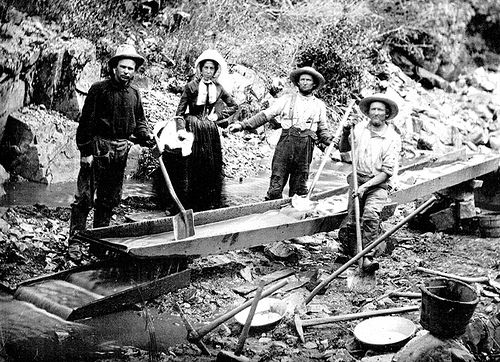
Historic 1850 photograph of a woman and three men panning for gold beside a flume during the California gold rush
Panning for gold during the California gold rush, c. 1850. Public domain, via the U.S. Geological Survey.

The California Gold Discovery Story Begins in Placerita Canyon

On March 9, 1842, a rancher named Francisco López was out in Placerita Canyon, near present-day Newhall. As the story goes, López dozed off beneath an oak tree and dreamed he was floating on a pool of gold. When he woke up, he dug a few wild onions out of the ground and found tiny flecks of gold clinging to the roots. That moment is recognized as the first authenticated gold discovery in California, and the tree, known as the Oak of the Golden Dream, is a registered California Historical Landmark. You can read the official description on the California Office of Historic Preservation website.

The dream may be part folklore. Some accounts note that López had studied mineralogy and was probably searching for gold on purpose. Either way, he took his samples to Los Angeles, where their worth was confirmed, and he later put his claim in writing in a petition that is now kept in the National Archives. That paperwork is a big reason his find counts as the first documented gold discovery in California.

A Gold Rush Before the Gold Rush

López’s find set off California’s first small gold rush. An estimated 2,000 people, many of them experienced miners from Sonora, Mexico, came to work the canyon with pans, sluices and dry-washing methods. One history of California reports that roughly 2,000 ounces of gold had come out of the area by 1843. At today’s prices, that much gold would be worth more than $8 million.

Some of that gold traveled a long way. A Los Angeles merchant named Abel Stearns shipped part of it around Cape Horn to the East Coast in 1843, where it was most likely melted down and turned into coins. The mining eventually faded, and when James Marshall spotted gold at Sutter’s Mill in January 1848, the world’s attention shifted north.

Southern California has kept surprising people ever since. In 1977, a prospector with a metal detector found the Mojave Nugget near Randsburg. It weighs 156 troy ounces and now belongs to the Natural History Museum of Los Angeles County. At today’s prices, the gold in that single nugget would be worth roughly $650,000. The lesson hasn’t changed since 1842: gold holds its value, and it has a habit of turning up in unexpected places.

Watch the California Gold Rush Story

This short history film covers the California gold rush and the wave of people it drew to the state.

https://www.youtube.com/watch?v=CIRMMdPDZ5E

What Gold Is Worth Today

Gold is still doing what it did in 1842: holding its value. On October 9, 2026, spot gold traded at about $4,200 per troy ounce, and silver was trading near $60 per ounce. Gold has pulled back from the peaks above $5,000 it reached in February, but it remains far higher than it was just a few years ago. Prices change every day, so treat any number you see online as a snapshot.

Here is what that means for everyday items. A 10-gram 14K gold chain contains about 5.8 grams of pure gold. At roughly $135 per gram, that is about $780 worth of gold, before any dealer margin. A broken bracelet, a single earring or a worn-out wedding band can add up quickly. Coins can be worth even more, because collectors often pay a premium over the metal value for rare dates and good condition.

Gold Hiding in Valley Homes

You do not need an oak tree or a gold pan to find gold in Burbank. For many local families, the gold is already sitting in a dresser drawer. Here is what to look for:

  • Broken, tangled or mismatched chains, bracelets and earrings
  • Wedding bands, class rings and other old jewelry, even if damaged
  • Gold coins, plus U.S. dimes, quarters and half dollars dated 1964 or earlier, which are 90% silver
  • Sterling silver flatware, tea sets and platinum jewelry
  • Gold or silver bars and rounds tucked away in a safe or closet

Keep any coins in their original envelopes or albums, and do not clean them. Polishing can reduce what a collector will pay.

Sell Gold in Burbank Instead of Visiting a Pawn Shop

If you are ready to sell, choose a buyer who knows the difference between scrap and a collectible. Generic pawn shops often treat everything as scrap and make low offers. Paul Albanian and Associates LLC has been buying precious metals, coins and fine jewelry in the San Fernando Valley, right here in Burbank, for more than 30 years. Your items are examined carefully, the value is explained clearly and the offer is fair, so you can make some extra money from things you no longer use.

This is especially helpful during an estate sale. If your family is clearing out a parent’s home, set aside the fine jewelry, precious metals and coins before the sale begins. Those items should not go out at garage-sale prices. Selling them to a trusted local gold dealer is a simple way to turn a loved one’s belongings into cash, without listing items online or meeting strangers.

Francisco López learned in 1842 that something valuable can be hiding in plain sight. Today, a coin dealer Burbank families trust, and a precious metal dealer Burbank customers rely on, can help you find out what is hiding in your own home. Bring in your gold, silver, platinum, coins or jewelry and learn what they are worth.

albariancoins.com

Pile of gold bullion coins from several world mints, representing inherited gold coins

Inherited Gold Coins: What Buried Treasure Teaches Burbank Families

Inherited gold coins have a way of turning up when families least expect them: in a sock drawer, a safe-deposit box, or a cigar tin at the back of a closet. If you have just lost a parent or grandparent and are sorting through their belongings, those small, heavy coins may be the most valuable things in the house. A few recent treasure stories show why they deserve careful attention before anything is sold, spent or given away.

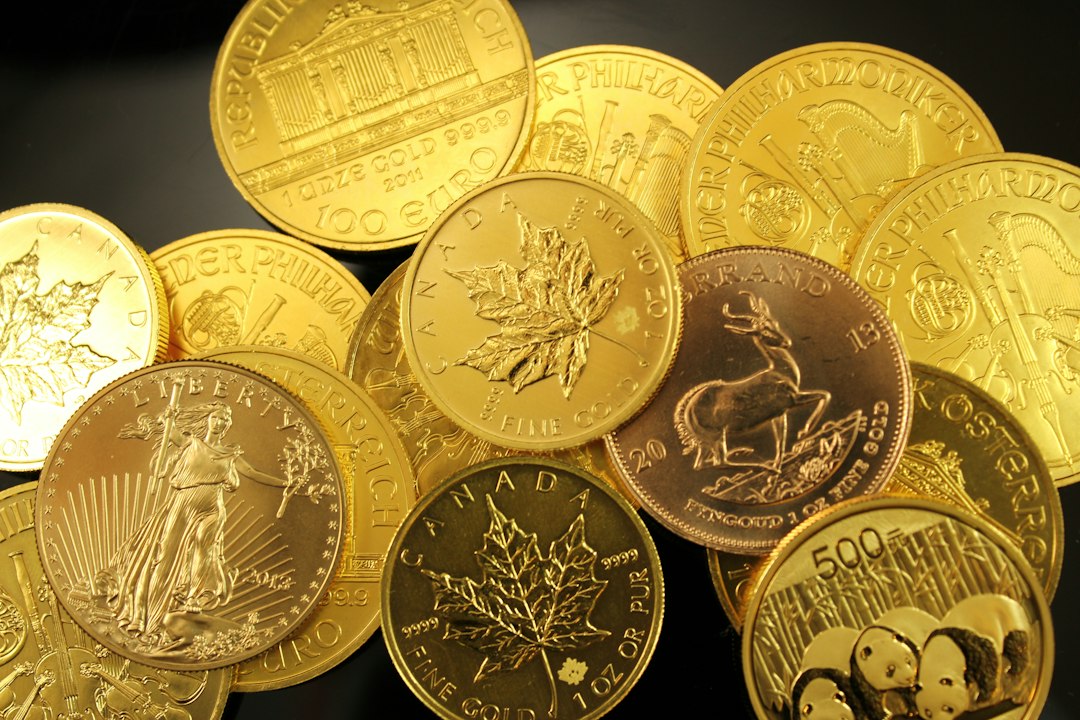
Pile of gold bullion coins from several world mints, representing inherited gold coins
Photo: Zlaťáky.cz via Unsplash

Why People Have Always Hidden Gold

For most of history, gold coins were the safest way to store wealth, and families kept them close to home. In March 2026, archaeologists in Russia announced a hoard of 409 gold coins uncovered in the town of Torzhok. The coins, dated between 1848 and 1911, were buried beneath the stone foundations of a house inside a ceramic pot. Researchers believe the owners hid them during the chaos of the 1917 Russian Revolution, fully intending to come back for them. They never did. You can read the details in this report from HeritageDaily.

California has its own famous version. In 2013, a couple walking their dog in Northern California spotted a rusty can poking out of the ground on their own property. Before long they had dug up eight cans holding roughly 1,400 gold coins dated from 1847 to 1894. The face value was about $28,000, yet the collection, known as the Saddle Ridge Hoard, was valued at around $10 million. No one has ever learned who buried it. Experts point out that many people in the 1800s lived hundreds of miles from the nearest bank, so burying gold in the yard was simply practical. In 2025, hikers in the Czech Republic stumbled on nearly 600 gold coins dated from 1808 to 1915, valued at roughly $340,000.

The pattern is familiar. Someone saves gold coins for years, and then life interrupts. In many families today, the coins did not stay buried; they simply stayed in a drawer until the next generation found them.

Watch the Saddle Ridge Story

This 2014 interview with the coin expert who helped evaluate the Saddle Ridge Hoard explains how the couple found the cans and what made the coins so special.

https://www.youtube.com/watch?v=aTQtkHiIB1w

Why Gold Coins Are Worth More Than Their Face Value

The lesson from these stories is that the number stamped on a gold coin tells you almost nothing about what it is worth today. A U.S. $20 double eagle contains about 0.9675 troy ounces of pure gold. With spot gold trading above $4,000 per ounce in early October 2026, the gold in one of those coins is worth roughly $3,900 or more, even if the coin is badly worn. A $10 eagle holds about half that much gold, and a $5 half eagle about a quarter. Prices move every day, so any figure you see online is only a snapshot.

That gold content is just the floor. Coins that are rare, from a scarce mint year, or in excellent condition can sell for a large premium over their metal value. Many Saddle Ridge coins looked almost brand new, which is a big reason the hoard was worth so much more than its gold weight. When you inherit a gold coin collection, the only way to know where your coins land is to have someone who understands both the metal and the collector market look at them.

What to Do With Gold Coins You Inherit

Before you sell anything, a few simple steps can protect the value of your inherited gold coins:

  • Do not clean them. Polishing can scratch the surface and wipe out collector value.
  • Handle them gently. Hold coins by the edges with clean, dry hands over a soft cloth.
  • Keep the original holders. Old envelopes, albums and handwritten notes can carry helpful clues about dates and history.
  • Search the whole house. Coins and fine jewelry often turn up in more than one hiding place.
  • Take notes and photos. Record dates, denominations and a rough count before you leave the house with them.

Selling Inherited Gold Coins in Burbank

When you are ready to sell inherited gold coins, choose a buyer who knows the difference between scrap and a collectible. Generic pawn shops often treat every coin as scrap metal and offer accordingly. Paul Albanian and Associates LLC has been buying and selling gold, silver, platinum, coins and fine jewelry in the San Fernando Valley for more than 30 years, right here in Burbank. Bring in your coins, and you can expect them to be examined carefully, explained clearly and priced fairly.

If your family is preparing an estate sale, set aside the fine jewelry, precious metals and coins first. Those items should never be sold at garage-sale prices. Selling them to a trusted local dealer is a smart way to turn a loved one’s collection into cash for the estate, without the hassle of listing items online or meeting strangers.

Your family’s coins may never make headlines like a Russian hoard or a California treasure, but they may well be worth more than you think. Learn what you have before you decide, and stop by Paul Albanian and Associates LLC in Burbank to get started.

albariancoins.com

Saint-Gaudens $20 Double Eagle, one of the old gold coins affected by the 1933 gold recall

Old Gold Coins: How the 1933 Gold Recall Shaped What Your Family’s Coins May Be Worth

Old gold coins carry more than metal. Each one is a small piece of history, and some survived one of the strangest moments in American financial history: the 1933 gold recall. If a relative left you a drawer of old gold coins, or you are sorting through an estate right now, knowing that story can help you see why these coins may be worth more than the gold inside them.

Saint-Gaudens $20 Double Eagle, one of the old gold coins affected by the 1933 gold recall

The Day Owning Gold Became Illegal

On April 5, 1933, with the Great Depression crushing the country and banks failing, President Franklin D. Roosevelt signed Executive Order 6102. As this history of the gold recall explains, it required Americans to hand over gold coins, gold bullion and gold certificates to the Federal Reserve in exchange for $20.67 per troy ounce. The deadline was May 1, 1933, and violators faced a fine of up to $10,000, up to ten years in prison, or both.

The order was not a blanket ban on every coin. It let each person keep up to $100 in gold coins, and it exempted gold coins with a recognized special value to collectors. That exception is a big reason so many vintage gold coins survived in family collections, safe deposit boxes and dresser drawers. In 1934 the Gold Reserve Act raised the official price of gold to $35 an ounce, and Americans were not allowed to own gold bullion freely again until 1974.

The Coins That Were Never Supposed to Exist

The story gets stranger. The Philadelphia Mint had already struck 445,500 Saint-Gaudens Double Eagles dated 1933, but because of the order they were never released, and nearly all were melted into bars. A handful escaped. In June 2021, the one 1933 Double Eagle the government allows a private citizen to own sold at Sotheby’s for $18.9 million, the highest price ever paid for a coin. Other coins shaped by the recall became rarities too. A 1927-D Double Eagle brought $4.44 million at a Heritage auction in August 2022.

Those are extreme cases, and most antique gold coins are not million-dollar rarities. But they show how date, mint mark and condition can turn a $20 face-value coin into something collectors fight over.

What Are Old Gold Coins Worth Today?

Start with the metal. Gold was trading at roughly $4,180 per ounce at the start of October 2026. A $20 Double Eagle holds just under one troy ounce of pure gold (about 0.9675 ounce), so the gold alone is worth around $4,000 at that price. A $10 Eagle contains about half an ounce, or roughly $2,000, and a $5 Half Eagle about a quarter ounce, or roughly $1,000.

Think of that figure as the floor, not the ceiling. Collectors often pay a premium over melt value for scarce dates, mint marks such as D for Denver or S for San Francisco, and coins in strong condition. A common-date coin may sell for a modest premium above its gold content, while a scarce date can bring several times more. Gold prices move daily, so any number you see today is only a snapshot.

Old Gold Coins Burbank Families Often Find

When families bring in a parent’s collection, these are some of the pieces that turn up most often:

  • Saint-Gaudens Double Eagle ($20, 1907–1933): often called the most beautiful American coin, with Lady Liberty striding forward with a torch.
  • Liberty Head Double Eagle ($20, before 1907): the older design that preceded it.
  • Indian Head Eagles and Half Eagles ($10 and $5): early 1900s pieces with a distinctive design.
  • Foreign gold: British sovereigns, Mexican 50 pesos and other gold coins brought home by travelers or relatives.

If you are not sure what you have, that is normal. Identifying the date, mint mark and condition is exactly what a dealer does.

Watch: The Story of the 1933 Double Eagle

This short video tells the story of the 1933 Double Eagle and how a $20 gold piece became the most valuable coin ever sold at auction.


How to Handle Inherited Gold Coins Before You Sell

If you are settling an estate or planning an estate sale, a few simple habits protect value. Never clean a coin, because polishing can scratch the surface and reduce what a collector will pay. Hold coins by the edges, keep them in soft pouches or the holders they came in, and keep any paperwork or notes the owner left behind. Then gather everything in one place, including fine jewelry, silver and any other precious metals, so one visit can sort out what is scrap and what is collectible.

This article is general information, not legal or financial advice. If you ever suspect you hold something unusual, such as a 1933-dated Double Eagle, get qualified guidance before doing anything else, because the rules around those coins are unique.

Why Choose a Burbank Coin Dealer Over a Pawn Shop

If you have typed “pawn shop near me” into your phone while wondering what to do with a box of old coins, it helps to know the difference. A pawn shop runs on loans and general merchandise, so coins are one line among many. Paul Albanian and Associates LLC is a dedicated precious metal dealer in Burbank that has served the San Fernando Valley for more than 30 years. As both a gold dealer and a coin dealer in Burbank, the team buys gold, silver, platinum, coins and jewelry from individuals and families every day, so you get a straight answer about what you have.

Old gold coins have survived depressions, recalls and decades in dresser drawers, and yours may be worth more than you expect. Bring in a single coin or an entire inherited collection, and Paul Albanian and Associates LLC will give you an honest, no-obligation look.

albariancoins.com

Stack of gold bullion bars representing the value of gold for sellers in Burbank

Should I Sell My Gold Now? What 2026’s Gold Price Swings Mean for Burbank Sellers

Should I sell my gold now? It is a question many Burbank families are asking this fall, and the honest answer depends on your situation. Gold set an all-time high in late January 2026 and has since slid by more than a fifth, according to MoneyMagpie’s October 2026 gold price outlook. At the end of September, spot gold was still trading at roughly $4,180 to $4,270 per ounce, which is far above where it stood just a few years ago. That is why an unworn chain, a broken bracelet or an inherited coin collection deserves a second look.

Stack of gold bullion bars representing the value of gold for sellers in Burbank

What Has Happened to Gold Prices in 2026

Gold had a spectacular 2025 and a bumpy 2026. After the late January peak, which sources place somewhere between about $5,420 and $5,595 per ounce, the metal has fallen more than 20 percent, and a dealer-site roundup cited in the same outlook described the second quarter as gold’s worst since 2013. Forecasters are split on what comes next. Year-end targets from major banks cluster between roughly $4,450 and $5,100 per ounce, and the Federal Reserve’s October 27–28 meeting is widely watched as a possible swing factor. In short, the experts do not agree, and nobody can reliably call the bottom or the top.

Should I Sell My Gold Now or Wait?

Because no one can time the market, the better question is whether selling gold now fits your own plans. Consider these points:

  • Do you need the money? Medical bills, a move, a home repair or settling an estate are good reasons to sell gold now rather than wait for a price you cannot predict.
  • Do you still wear it? Jewelry that sits in a drawer earns nothing, while its melt value moves with today’s market.
  • Is it sentimental? Some pieces are worth more to your family than any dealer’s offer. Those are worth keeping.
  • Was it meant as a long-term holding? If so, a price dip is not automatically a reason to sell, and a tax professional can explain how a sale may be treated.
  • Is an estate involved? Waiting can delay closing accounts or dividing belongings among heirs.

This article is general information, not financial or tax advice, and the decision is yours. The benefit of asking a dealer is that a quote costs nothing and commits you to nothing.

Why Selling Gold Now Still Makes Sense for Many People

Even after the pullback, gold sits far higher than it did a few years ago, which means the same ring or chain is worth considerably more in dollars today. Waiting for a return to the January peak is a bet, not a plan, and the price could just as easily slip further. Sellers who value certainty often turn unworn pieces into cash at a known price and keep anything they love. Others prefer to hold, and that is a reasonable choice too.

How to Estimate What Your Gold Is Worth

Gold is priced by weight and purity, not by how a piece looks. To estimate the value of gold jewelry, check the karat stamp, weigh the piece in grams and multiply. Here is an illustration using a round number of $4,200 per troy ounce, which works out to about $135 per gram of pure gold. A 5-gram 14K ring is 58.5 percent pure gold, or about 2.9 grams of pure gold. At roughly $135 per gram, that is about $395 in pure-gold value.

Real offers will differ, because dealers pay a share of that figure to cover refining and overhead, and stones and settings are handled separately. That is why it pays to compare. Ask each buyer how the offer is calculated and whether you are free to walk away.

Watch: Where to Sell Gold and How to Get the Most for It

This short video covers where to sell gold and how to make sure you are getting a fair deal. Think of it as a helpful overview, and remember that a local dealer can give you a firm answer on your own pieces.


Gather Everything Before You Sell

If you are sorting a parent’s belongings or preparing for an estate sale, collect all the fine jewelry, precious metals and coins in one place first. Broken chains, single earrings and dented bracelets still carry value because gold is priced by weight. Old coins can be worth more than their metal content, so avoid cleaning them. Silver flatware, platinum rings and foreign coins tucked into the same box deserve a look too. A dealer can sort out what is scrap and what is collectible in a single visit.

Why Choose a Burbank Precious Metal Dealer Over a Pawn Shop

If you have typed “pawn shop near me” into your phone while wondering how to turn old gold into cash, it helps to know the difference. A pawn shop’s business revolves around loans and general merchandise, so jewelry and coins are just one line among many. Paul Albanian and Associates LLC is a dedicated precious metal dealer in Burbank that has served the San Fernando Valley for more than 30 years, buying gold, silver, platinum, coins and jewelry from individuals and families. As both a gold dealer and a coin dealer in Burbank, the team handles precious metals every day, so you get a straight answer about what you have and what it is worth.

So, should I sell my gold now? If you need the cash or the pieces are gathering dust, finding out what they are worth today is a smart first step, and selling is always optional. Bring in a single ring, a parent’s jewelry box or a whole coin collection, and Paul Albanian and Associates LLC will give you an honest, no-obligation look.

albariancoins.com

A white gold wedding ring photographed against a plain background

How to Tell If Gold Is Real: 6 Checks Before You Sell Your Jewelry in Burbank

How to tell if gold is real is one of the most common questions people ask when they open a jewelry box, sort through a parent’s belongings or find an old chain in a drawer. Gold was trading at roughly $4,130 per troy ounce on October 5, 2026, according to Kitco’s live gold price, so even a small piece can be worth real money. Before you sell, it pays to know what you actually have.

A white gold wedding ring photographed against a plain background

Why It Matters Whether Your Gold Is Real

Gold jewelry is valued by weight and purity, not by how shiny or heavy it looks. A genuine 14K chain and a gold-plated chain can look almost identical on a countertop, yet one may be worth hundreds of dollars in melt value and the other next to nothing. Knowing real gold vs fake gold helps you set realistic expectations, avoid being fooled by costume pieces and walk into a conversation with a dealer well prepared. It matters most with estate jewelry, where fine pieces and costume pieces often share the same drawer.

How to Tell If Gold Is Real: Start With the Hallmark

The fastest way to check if jewelry is real gold is to look for a stamp. Hallmarks are usually found on the inside of a ring band, near the clasp of a necklace or bracelet, or on the back of a pendant or earring post. A magnifying glass or jeweler’s loupe helps. Common gold marks include:

  • 10K or 417: about 41.7% pure gold
  • 14K or 585: 58.5% pure gold, the most common karat in American jewelry
  • 18K or 750: 75% pure gold
  • 22K or 916: about 91.6% pure gold
  • 24K or 999: essentially pure gold

Treat a stamp as a starting point, not proof. Counterfeit pieces are sometimes stamped with convincing purity marks, so a hallmark should always be confirmed by at least one more check.

Warning Signs: Plated and Gold-Filled Marks

Some marks tell you right away that a piece is not solid gold. Letters such as GP (gold plate), GEP (gold electroplate), HGE (heavy gold electroplate), RGP (rolled gold plate) or GF (gold filled) mean a layer of gold sits over a base metal. Gold-filled jewelry is a legitimate category, but its gold content is small compared with solid gold, so it is worth far less when sold. A piece with no stamp at all is not automatically fake, since older and handmade items sometimes lack marks or the stamp has worn away, but it deserves a closer look.

Simple Ways to Test Gold at Home

If you want to check whether your gold is real before bringing it in, a few low-risk observations can help:

  • The magnet test. Gold is not magnetic, so a piece that sticks firmly to a strong magnet is not solid gold. The reverse is not true: many base metals are also non-magnetic, and the clasp or spring on a genuine piece may contain steel.
  • Wear and color. Solid gold does not tarnish. Flaking, a different color showing at the edges or a green tint on your skin often points to plating or a base metal underneath.
  • Weight. Gold is one of the densest metals. A piece that feels surprisingly light for its size may be hollow, plated or made of something else entirely.
  • The price tag. Gold has a transparent market value. A “solid gold” chain sold for a fraction of its melt value is a red flag.

No single home check is conclusive. When several of them point in the same direction you can be more confident, but a professional opinion is the only way to be sure.

Why Acid and Scratch Tests Are Best Left to a Professional

You will find online advice to drag jewelry across a ceramic tile, drip vinegar on it or apply nitric acid. These methods can mar a valuable piece, acid is hazardous to handle, and the results can be misleading on plated items or unusual alloys. An experienced dealer uses professional testing methods to confirm karat and weight quickly without harming your jewelry. For anything with sentimental value, there is little reason to risk it.

Watch: How a Jeweler Spots Fake Gold

This short video from a veteran jeweler walks through several quick ways to spot suspicious gold. Think of it as a helpful overview, and remember that professional testing is still the best way to know for certain.

https://www.youtube.com/watch?v=zsL2lRP2G0c

Sorting Inherited and Estate Jewelry

If you are settling an estate or sorting a parent’s jewelry, resist the urge to throw away anything that looks tarnished, broken or out of style. Broken chains, single earrings and outdated settings can all carry value because gold is priced by weight and purity. The same goes for coins, silver flatware and platinum pieces mixed in with the jewelry. Gather everything in one place, avoid cleaning pieces with harsh chemicals, and keep any original boxes or paperwork. Then let an experienced dealer separate the real from the costume.

Why Choose a Burbank Precious Metal Dealer Over a Pawn Shop

If you have searched for a “pawn shop near me” hoping to turn old gold into cash, it helps to understand the difference. A pawn shop’s business revolves around loans and the resale of all kinds of merchandise, so jewelry is just one of many lines. Paul Albanian and Associates LLC is a dedicated precious metal dealer in Burbank, serving the San Fernando Valley for more than 30 years and buying gold, silver, platinum, coins and jewelry from individuals and families. As a gold dealer and coin dealer in Burbank, the team looks at precious metals every day, which means a straightforward answer on whether your gold is real and what it is worth.

So the next time you wonder how to tell if gold is real, start with the hallmark, look for plated warning marks, run a few simple checks and then get a professional opinion. Whether it is a single ring, a parent’s jewelry box or an entire coin collection, Paul Albanian and Associates LLC will take a careful look and give you an honest answer.

albariancoins.com