

Spanish silver coins are back in the news. A Florida salvage crew recently reported pulling more than 1,000 silver coins and five gold coins from the wreck of a Spanish ship lost in 1715, and the haul was valued at about $1 million. It sounds like pirate lore, but it carries a practical lesson for anyone in Burbank who has inherited a coin collection or found old silver coins tucked away in a drawer.
A $1 Million Treasure From the 1715 Fleet
In the summer of 1715, a fleet of eleven Spanish ships loaded with silver and gold left Havana bound for Spain. A few days into the voyage, on July 31, a hurricane drove them onto the reefs off Florida’s Atlantic coast. Historians estimate that as much as $400 million in gold, silver and jewels was lost, along with as many as 1,500 sailors, according to a Naval History magazine report. It remains one of the great treasure stories in American waters.
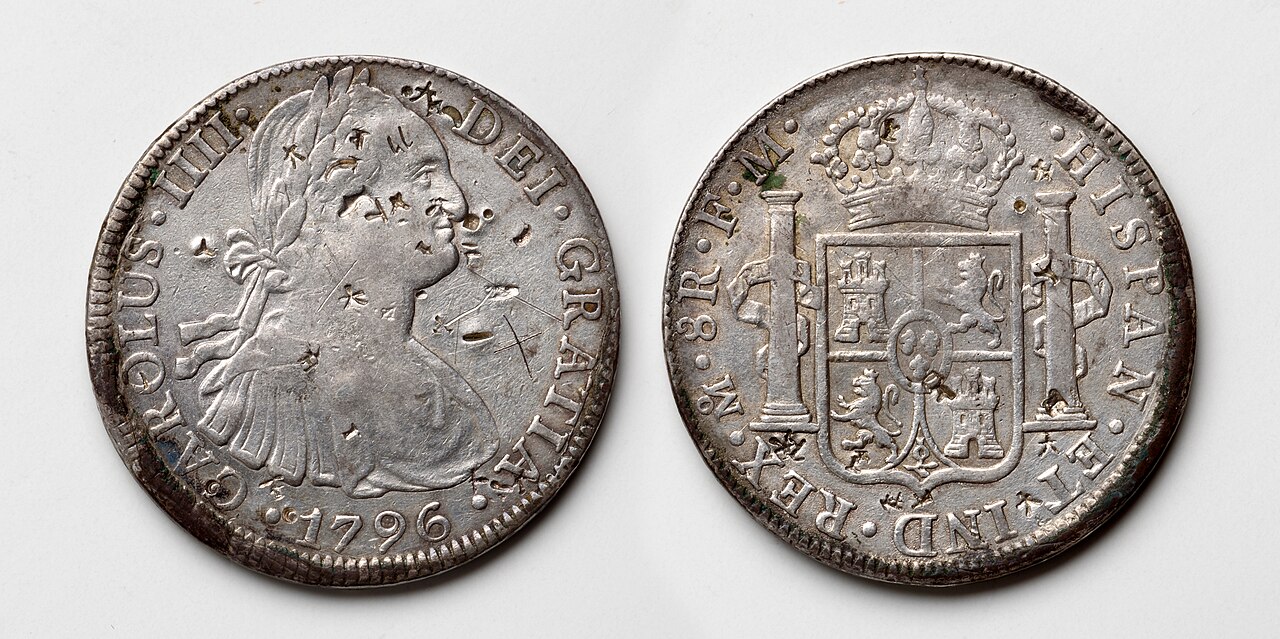
The latest recovery came during the 2025 summer salvage season. Divers brought up more than 1,000 silver reales, five gold escudos and other rare gold artifacts. The silver coins, known as pieces of eight, were struck in Spanish colonial mints in Mexico, Peru and Bolivia. At about $1 million in total, that averages roughly $1,000 per coin, although the gold pieces and artifacts lift that figure. The coins will be carefully conserved before they go on public display.
Why Pieces of Eight Ruled the World’s Money
A piece of eight was a silver coin worth eight reales, which is where the name comes from. Spanish colonial mints struck them in such huge numbers, and with such steady silver content, that they became one of the first truly global currencies. Merchants accepted them in Europe, the Americas and even China, where traders hammered small “chop marks” into coins to show they had been tested.
Colonial America relied on them, too. British settlers rarely had enough English coins, so they used the Spanish silver dollar for everyday purchases. Shopkeepers often cut a coin into wedges to make change, which is why a quarter is still called “two bits.” Spanish dollars stayed legal tender in the United States until 1857. For generations, ordinary families trusted these coins because they held real silver, and that is exactly why old Spanish silver coins are still worth something today.
What Are Spanish Silver Coins Worth Today?
Every coin’s value starts with its metal. A typical Spanish pillar dollar from the 1700s weighed about 27 grams and was roughly 92 percent silver, which comes to about 0.8 troy ounces of pure silver. In early October 2026, silver traded near $61 an ounce, gold near $4,150 and platinum near $1,710, based on Reuters market reports. At $61, the silver in one such coin is worth roughly $49 before any collector premium.
Collector value can run much higher. Date, mint, condition and history all matter, and a documented shipwreck pedigree can add a great deal. Hand-struck cobs, the irregular coins made quickly in colonial mints, are especially popular. Worn coins with common dates may bring little more than their silver value, while rare examples can sell for many times that. The only reliable way to know which you have is to have an experienced dealer examine them in person.
The same logic applies to other silver coins. U.S. dimes, quarters and half dollars dated 1964 or earlier contain 90 percent silver, so they are worth far more than face value even when they are worn.
Silver Coins Hiding in Burbank Homes
You do not need a boat or a metal detector to find silver. For many local families, it is already in a closet or a safe deposit box. Here is what to look for:
- Spanish colonial pieces of eight and other foreign silver coins, often brought home by relatives who traveled or collected
- U.S. dimes, quarters and half dollars dated 1964 or earlier
- Morgan and Peace silver dollars
- Silver bars and rounds tucked away in a drawer or safe
- Coin albums, rolls and old collections left behind by a parent or grandparent
Keep coins in their original holders when you can, and do not clean them. Polishing can strip the surface that collectors pay extra for.
Watch: The Hurricane That Sank the 1715 Fleet
This short video tells the story of the July 1715 hurricane and the Spanish treasure fleet it destroyed.
Sell Silver Coins in Burbank Instead of Visiting a Pawn Shop
If you are ready to sell Spanish silver coins or any other old silver, choose a buyer who can tell scrap from a collectible. Generic pawn shops often treat every coin as melt value and make low offers. Paul Albanian and Associates LLC has been buying precious metals, coins and fine jewelry in the San Fernando Valley, right here in Burbank, for more than 30 years. Your items are examined carefully, the value is explained clearly and the offer is fair, so you can make some extra money from things you no longer use.
This matters most during an estate sale. If your family is clearing out a parent’s home, collect the coins, fine jewelry and precious metals before the sale begins, so they do not leave the house at garage-sale prices. Selling them to a trusted local gold dealer is a simple way to turn a loved one’s belongings into cash, without listing items online or meeting strangers.
The divers off Florida showed that centuries-old silver can still be valuable. A coin dealer Burbank families trust, and a precious metal dealer Burbank customers rely on, can help you find out what is sitting in your own home. Bring in your silver, gold, platinum, coins or jewelry and learn what they are worth.