
If you have ever dug through a jar of old change and spotted a dime or quarter dated 1964 or earlier, you may be holding real silver. Before 1965, every dime, quarter, and half dollar made in the United States was 90 percent silver, and with spot silver sliding to around $50 an ounce in early November 2026, those coins are still worth many times their face value. Whether you inherited a collection or just found a roll in a dresser drawer, here is what to know if you want to sell silver coins in Los Angeles.
At Paul Albanian and Associates LLC, a Burbank precious metals and coin dealer serving the San Fernando Valley for more than 30 years, silver dimes and quarters arrive in cigar boxes, coffee cans, and estate bags all the time. This guide explains where they came from, how to estimate what they are worth, and how to find a trustworthy silver coin buyer in Los Angeles.
Why the U.S. Stopped Making Silver Coins
For most of American history, the silver in a dime or quarter was worth roughly what the coin said it was worth. That changed in the early 1960s. Silver prices climbed, the metal inside the coins began to rival their face value, and people started hoarding and melting them. A national coin shortage followed.
Congress responded with the Coinage Act of 1965. According to Hero Bullion’s overview of the law, it removed silver from dimes and quarters and cut the silver in half dollars from 90 percent to 40 percent. The Mint also kept the 1964 date on the silver coins it struck afterward to discourage hoarding, and mint marks disappeared from American coins until 1968.
The Mint produced enormous numbers of silver coins in those final years, including well over two billion dimes dated 1964. That is why so many survive today in family collections and estates. Coin people often call them “junk silver,” not because they are worthless, but because most are common dates valued mainly for their metal.
What Are Pre-1965 Silver Coins Worth?
Each 90 percent silver coin holds a fixed amount of pure silver, so you can estimate its metal value by multiplying that amount by the day’s silver price. At roughly $50 an ounce, the approximate silver value of common coins looks like this:
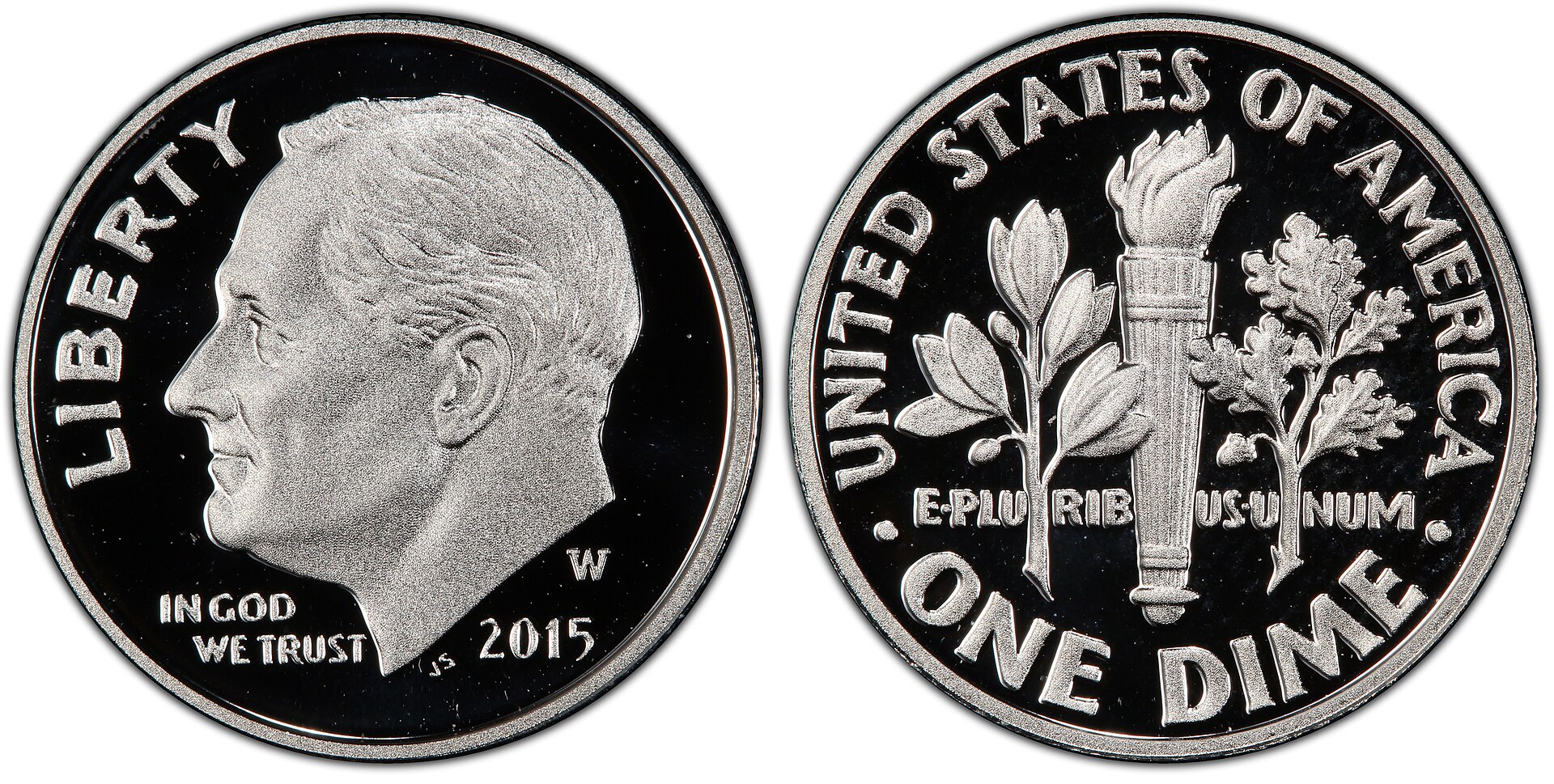
- Roosevelt or Mercury dime (about 0.0723 troy ounce of silver): roughly $3.60
- Washington quarter, 1964 or earlier (about 0.1808 ounce): roughly $9
- Half dollar dated 1964 or earlier (about 0.3617 ounce): roughly $18
- Kennedy half dollar, 1965 to 1970, 40 percent silver (about 0.1479 ounce): roughly $7.40
- Morgan or Peace silver dollar (about 0.7734 ounce): roughly $38.70, and often more to collectors
- Wartime nickels, 1942 to 1945, 35 percent silver (about 0.0563 ounce): roughly $2.80
As a rule of thumb, $1 in face value of 90 percent silver coins holds about 0.715 ounce of silver, or around $35 at today’s prices. Keep in mind that these are metal values, not offers. Silver has been on a roller coaster this year, trading above $70 an ounce in the summer before sliding back near $50, so what a dealer can pay changes from day to day. Always ask for a current quote.
If you would like to see how the math works, this video walks through how to calculate junk silver value from silver content, the spot price, and dealer premiums:
Check for Key Dates Before You Sell
Most coins dated 1964 and earlier sell for their silver content, but a few carry collector premiums far above metal value. Well-known examples include the 1916-D Mercury dime, the 1932-D and 1932-S Washington quarters, and certain Carson City silver dollars, along with coins that are well preserved and uncirculated. A bag that looks like ordinary scrap can hide a valuable date.
A few simple habits protect your coins’ value. Never clean or polish them, because cleaning can erase a collector premium. Sort them by denomination, leave any original rolls or holders intact, and write down where the coins came from. Then have an experienced coin dealer look through them for rare dates and mint marks before you sell anything in bulk.
How to Sell Silver Coins in Los Angeles
A good silver coin buyer in Los Angeles should look at your coins carefully, explain how the offer was calculated, and be willing to show you the day’s silver price. It pays to compare dealers instead of accepting the first number you hear. A generic pawn shop may weigh a bag of dimes as scrap, while a specialist knows what to look for and can spot the one coin in the jar that is worth far more than the rest.
If you are settling an estate or sorting through a parent’s belongings, gather every piece of precious metal before the sale: silver coins, gold coins, fine jewelry, old wedding rings, sterling flatware, and platinum pieces. Paul Albanian and Associates LLC buys gold, silver, platinum, coins, and jewelry, and many Burbank and Los Angeles families choose us as a more knowledgeable alternative to a generic pawn shop. Our team has helped San Fernando Valley residents sell with confidence for over three decades, and we are glad to look at your coins and explain what they are worth.
Old silver coins carry a piece of American history, and in 2026 they carry real cash value too. Whether you have a handful of dimes or a few hundred coins, bring them to a Los Angeles silver coin dealer who will give them a fair, careful look before you sell.